
close
Choose Your Site
Global
Social Media


Are your pallets stable and protected from moisture? If not, it's time to consider Stretch Hood Film. This innovative packaging solution is designed to enhance pallet stability while providing superior moisture protection. In this article, we'll explore how Stretch Hood Film works and why it’s gaining popularity across various industries. You'll learn about its benefits, applications, and how it can transform your packaging processes.
Stretch Hood Film is a versatile packaging solution designed to secure and protect palletized goods. This innovative film is typically made from a multilayer structure, primarily composed of Linear Low-Density Polyethylene (LLDPE) and sometimes includes ethylene-vinyl acetate (EVA). These materials provide essential properties such as stretchability, elasticity, and waterproofing.
Key Properties of Stretch Hood Film:
● Stretchability: It can stretch significantly to conform to various load shapes.
● Elasticity: This allows the film to return to its original shape after being stretched, ensuring a tight fit.
● Waterproofing: The film effectively seals out moisture, protecting products from environmental damage.
When compared to other packaging films like shrink film and stretch wrap, Stretch Hood Film offers distinct advantages. Unlike shrink film, which requires heat to contract around the load, stretch hood film uses mechanical tension. This process not only saves energy but also reduces the amount of film needed for effective protection.
Property | Stretch Hood Film | Shrink Film | Stretch Wrap |
Requires Heat | No | Yes | No |
Water Resistance | High | Moderate | Low |
Stretchability | High | Low | Moderate |
Film Thickness | Thinner | Thicker | Thinner |
The stretch hooding process begins with the film being pulled over the load. As it is applied, the film stretches to fit tightly around the pallet, creating a secure seal. This method allows the film to adapt to various pallet shapes and sizes, ensuring comprehensive coverage.
One of the standout benefits of Stretch Hood Film is its efficiency. It uses less material while still providing robust protection. This means reduced costs and less waste, making it an environmentally friendly choice for businesses.
Moreover, the energy efficiency of stretch hooding is remarkable. By eliminating the need for heat application, companies can significantly lower their energy costs. This not only benefits the bottom line but also contributes to a more sustainable packaging solution.
In summary, Stretch Hood Film is an effective way to enhance pallet stability and moisture protection. Its unique properties and the energy-efficient application process make it an ideal choice for a variety of industries. Whether you’re packaging food, chemicals, or other products, Stretch Hood Film offers the reliability and performance you need.
Pallet stability is crucial in logistics and supply chain management. Unstable pallets can lead to significant risks, including product damage and safety hazards. For instance, if a pallet shifts during transportation, it can cause items to fall, leading to injury or loss. This not only affects the products but also impacts the overall efficiency of the supply chain.
Stability plays a vital role in maintaining the integrity of goods throughout their journey. When pallets are stable, they reduce the likelihood of damage during handling and transport. This ensures that products arrive at their destinations in optimal condition, minimizing returns and customer dissatisfaction.
Load Types and Their Impact on Packaging Choices:
● Stable Loads: These include items like bags of cement or boxes of canned goods. They typically require less stringent packaging methods.
● Unstable Loads: Items such as glass bottles or irregularly shaped products need more secure packaging to prevent shifting.
Choosing the right packaging method based on load type is essential for maintaining stability. This is where innovations like Stretch Hood Film come into play.
Stretch Hood Film provides a robust solution for enhancing pallet stability. The film works by tightly wrapping around the load, securing it in place. This mechanism ensures that products do not shift during transport, significantly reducing the risk of damage.
Case Study Example: A beverage company switched to Stretch Hood Film for their palletized soft drinks. They reported a 30% reduction in product damage during transport, as the film kept the loads stable even on bumpy roads.
When compared to traditional methods like strapping or shrink wrapping, Stretch Hood Film offers superior performance. Strapping can sometimes loosen over time, while shrink wrapping relies on heat, which may not be suitable for all products. Stretch Hood Film, however, adapts perfectly to the load’s shape, providing consistent tension and support.
Method | Stability | Ease of Use | Cost Efficiency |
Stretch Hood Film | High | Easy | Moderate |
Strapping | Moderate | Moderate | High |
Shrink Wrapping | Low | Moderate | Low |
Film Properties: The elasticity and stretch properties of Stretch Hood Film contribute significantly to load security. When the film is stretched over the pallet, it creates a snug fit that holds items firmly in place. This dynamic tension is crucial for preventing movement during transport.
By utilizing Stretch Hood Film, businesses can ensure that their pallets remain stable, reducing risks and improving overall supply chain efficiency. This innovative solution not only protects products but also enhances the safety and reliability of logistics operations.
Moisture poses significant risks to various types of goods during storage and transportation. For instance, food products can spoil or become contaminated when exposed to humidity. Similarly, chemicals may react negatively when moisture seeps into their packaging, leading to degradation or hazardous situations.
Common Issues Caused by Moisture:
● Food Spoilage: Bacteria thrive in moist environments, which can lead to foodborne illnesses.
● Chemical Reactions: Certain chemicals can become unstable when exposed to moisture, posing safety risks.
● Product Damage: Paper and cardboard packaging can weaken, causing structural failure.
When we compare moisture protection methods, Stretch Hood Film stands out. Unlike shrink wrapping, which relies on heat to create a seal, Stretch Hood Film forms a tight fit around the load without heat. This means it can be used in a wider range of applications, providing effective moisture protection without compromising the integrity of the products inside.
Stretch Hood Film creates a watertight seal around palletized goods, effectively preventing moisture from penetrating the packaging. This is achieved through its unique design, which allows the film to stretch tightly over the load, forming a barrier against environmental elements.
Key Properties Contributing to Waterproof Nature:
● Multilayer Construction: The film often consists of multiple layers that enhance its barrier properties.
● Elasticity: This property allows the film to conform to the shape of the load, ensuring complete coverage.
● Resistance to Punctures: The durability of Stretch Hood Film protects against tears and punctures, which could otherwise allow moisture in.
Examples of Products Benefiting from Moisture Protection:
● Food Products: Items like frozen foods and fresh produce remain safe from spoilage.
● Chemicals: Industrial chemicals are safeguarded from moisture, preventing unwanted reactions.
● Electronics: Sensitive electronic components can be protected from humidity damage.
Special Wrapping Techniques: To enhance waterproofing, additional techniques can be employed. For example, adding extra protection at the base of the pallet helps prevent moisture ingress from below. This technique is especially important in environments where pallets are stored on damp surfaces.
Protection Method | Effectiveness | Ideal Use Cases |
Stretch Hood Film | High | Food, chemicals, electronics |
Shrink Wrapping | Moderate | General goods |
Plastic Pallet Covers | Low | Limited moisture exposure |
By utilizing Stretch Hood Film, businesses can effectively protect their products from moisture-related issues, ensuring they arrive at their destination in perfect condition. This innovative solution not only preserves product quality but also enhances overall operational efficiency.
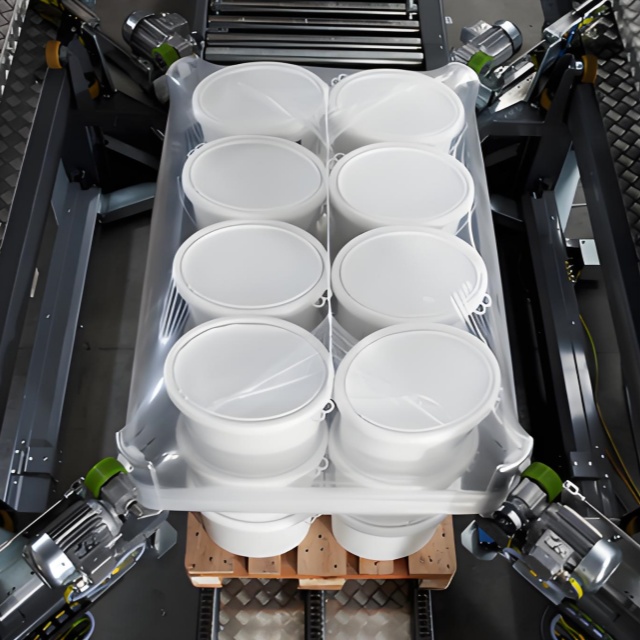
One of the standout benefits of Stretch Hood Film is its cost efficiency. This innovative packaging solution significantly reduces packaging costs by utilizing less material while maintaining effective protection. Stretch Hood Film is designed to stretch tightly around products, which means fewer resources are needed compared to traditional packaging methods.
Material Usage Comparison: When we compare the material usage of Stretch Hood Film to other methods like shrink wrapping or strapping, the differences are clear. Stretch Hood Film requires less thickness to achieve the same level of protection, leading to lower overall material costs.
Packaging Method | Material Usage | Cost per Pallet | Waste Produced |
Stretch Hood Film | Low | Low | Minimal |
Shrink Wrapping | Moderate | Moderate | Moderate |
Strapping | High | High | High |
The precise application of Stretch Hood Film minimizes waste, improving cost-effectiveness. By ensuring a snug fit around the load, it reduces excess material and unnecessary costs, making it a smart choice for businesses looking to optimize their packaging processes.
Sustainability is increasingly important in today’s packaging industry, and Stretch Hood Film excels in this area. Made from recyclable materials, this film supports environmentally friendly practices. By choosing Stretch Hood Film, companies can reduce their carbon footprint while still providing excellent protection for their products.
Sustainability Practices:
● Recyclable Materials: Stretch Hood Film is often produced from materials that can be recycled after use, contributing to a circular economy.
● Reduced Waste: The efficient use of materials means less waste in landfills, aligning with global sustainability goals.
This commitment to sustainability not only benefits the environment but also enhances a company's reputation among consumers who value eco-friendly practices.
Stretch Hood Film is incredibly versatile, making it suitable for a wide range of industries. Whether you’re in food, pharmaceuticals, or chemicals, this film adapts to various pallet sizes and shapes, providing reliable protection for diverse products.
Industries Benefiting from Stretch Hood Film:
● Food Industry: Protects perishable goods from moisture and contamination.
● Pharmaceuticals: Ensures the integrity of sensitive medical supplies.
● Chemicals: Safeguards hazardous materials from environmental exposure.
Adaptability of Stretch Hood Systems: Stretch Hood systems can easily handle different pallet formats and sizes. This adaptability means they can be used in multi-format production environments, streamlining operations and reducing the need for multiple packaging systems.
Industry | Application | Benefits |
Food | Fresh produce packaging | Moisture protection |
Pharmaceuticals | Secure medical supplies | Integrity assurance |
Chemicals | Hazardous materials | Environmental safety |
With its cost efficiency, environmental benefits, and versatility, Stretch Hood Film is a game-changer in the packaging industry. Companies can achieve significant savings while also committing to sustainable practices, making it an ideal choice for modern packaging needs.
Integrating Stretch Hood Film into your current packaging line is easier than you might think. Many stretch hood systems are designed to be compatible with existing equipment, allowing for a seamless transition. This means businesses can enhance their packaging processes without the need for a complete overhaul of their machinery.
Benefits of Retrofitting Existing Equipment:
● Cost Savings: Retrofitting existing machines with stretch hood technology can be more economical than purchasing new equipment.
● Efficiency Improvements: By upgrading to stretch hood systems, companies can improve packaging speed and reduce material waste.
● Enhanced Performance: Stretch hood technology provides superior moisture protection and pallet stability, enhancing overall product integrity.
The engineering team plays a crucial role in this integration process. They assess your current systems, recommend necessary modifications, and ensure that everything runs smoothly. Their expertise helps in minimizing downtime during the transition, allowing your operations to continue efficiently.
Selecting the appropriate Stretch Hood Film is essential for maximizing its benefits. Several factors should be considered to ensure the film meets your specific requirements. For instance, the type of load being packaged and the environmental conditions it will face during storage and transportation are critical considerations.
Factors to Consider:
● Load Type: Different products may require varying levels of protection. For example, fragile items might need a film with higher puncture resistance.
● Environmental Conditions: If products will be stored in humid or wet environments, a moisture-resistant film is vital.
● Film Thickness: The thickness of the film can affect both its performance and cost.
Manufacturers often provide consultation and support to help businesses choose the right film. This guidance can be invaluable in navigating the options available and ensuring the selected film aligns with operational needs.
Customization Options: Many manufacturers offer customization for their Stretch Hood Films. This means businesses can tailor the film to suit specific packaging needs, such as color coding for inventory management or adding UV protection for products sensitive to light exposure.
Consideration | Description | Example of Application |
Load Type | Type of goods being packaged | Fragile vs. heavy items |
Environmental Conditions | Storage and transport conditions | Humidity levels, temperature ranges |
Film Thickness | Thickness level required | Standard vs. heavy-duty films |
By carefully selecting the right Stretch Hood Film and integrating it into your existing packaging line, you can significantly enhance your packaging efficiency and product protection. This strategic move not only improves operational performance but also positions your business for success in a competitive market.
Stretch Hood Film significantly enhances pallet stability and moisture protection. It offers cost efficiency and environmental benefits while being versatile across various industries. Companies should consider integrating stretch hood technology for improved packaging solutions. For more information and consultations, reach out to Wann Guan Plastics, where our products provide exceptional value and performance in your packaging needs.
A: Stretch Hood Film is a type of packaging film that securely wraps around palletized goods, providing stability and moisture protection.
A: Stretch Hood Film tightly conforms to the load, preventing movement during transport and ensuring that products remain intact.
A: Stretch Hood Film creates a watertight seal that effectively shields products from moisture, making it ideal for food and chemical packaging.
A: Using Stretch Hood Film can reduce packaging costs by minimizing material waste and enhancing efficiency in the packaging process.
A: Stretch Hood Film systems can be retrofitted to current equipment, allowing for a smooth transition without major changes to your setup.


