
close
Choose Your Site
Global
Social Media


Are you struggling to keep your products safe during shipping? Choosing the right stretch hood film is crucial for effective packaging. In this article, we’ll explore what stretch hood film is, its benefits, and how to select the best type for your packaging line. You’ll learn key factors to consider, including load characteristics and environmental conditions.
Stretch hood film is a highly stretchable plastic material used to secure and protect palletized goods. It is typically made from polyethylene, known for its strength and flexibility. This film is designed to fit tightly around products, creating a stable load that prevents shifting during transport.
● Elasticity: Stretch hood film can stretch significantly, allowing it to conform to various load shapes. This elasticity ensures a snug fit, enhancing load stability.
● Durability: It is resistant to punctures and tears, making it ideal for protecting products with sharp edges or heavy weights.
● Clarity: Many stretch hood films are transparent, allowing for easy visibility of the packaged goods. This feature is particularly useful for inventory management.
Using stretch hood film offers several advantages that enhance packaging efficiency and product protection.
Stretch hood film provides a protective barrier against environmental factors. It keeps dust and moisture away from the products, ensuring they remain clean and dry. This is especially crucial for industries like food and beverages, where hygiene is paramount.
One of the main benefits of stretch hood film is its cost-effectiveness. It reduces material waste compared to other packaging methods, such as shrink film. With stretch hooding, you can wrap more pallets in less time, leading to increased operational efficiency.
Feature | Stretch Hood Film | Shrink Film |
Application Speed | Higher speeds for high-output | Slower due to heat |
Energy Consumption | Lower | Higher (needs heat) |
Material Waste | Less waste | More waste |
Stretch hood film is versatile and suitable for numerous applications. It is widely used in industries such as:
● Food and Beverage: Protects perishable goods and maintains their freshness.
● Chemicals: Safeguards hazardous materials from leaks and spills.
● Building Materials: Shields heavy items from moisture and dirt during transport.
This versatility makes stretch hood film a preferred choice across different sectors, ensuring products arrive at their destination in perfect condition.
In summary, stretch hood film is an essential component in modern packaging. Its unique properties and numerous benefits make it a valuable investment for any packaging line.
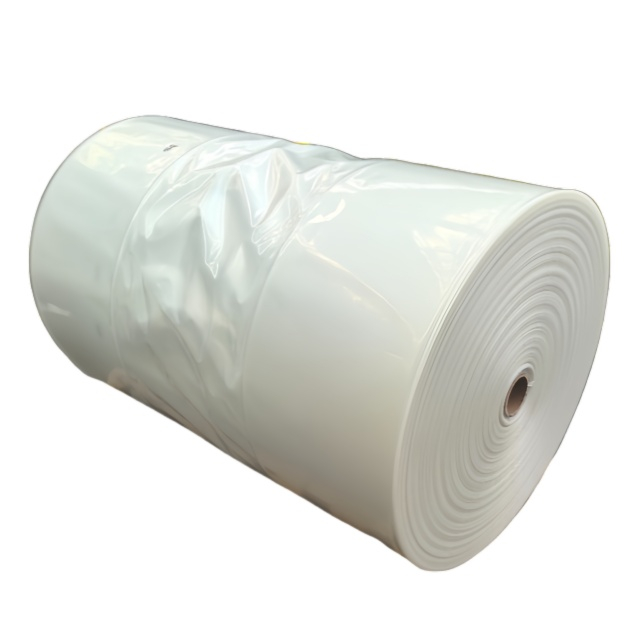
When selecting the right stretch hood film, understanding your load's characteristics is crucial. The weight, size, and shape of your products play a significant role in determining the appropriate film type. For example, heavy items require stronger films, while sharp-edged products need films that resist tearing.
Different loads come with unique requirements. Here’s a quick overview:
● Heavy Items: These require thicker films for added strength.
● Sharp Edges: Films must be puncture-resistant to prevent damage.
● Irregular Shapes: Elastic films are essential to ensure a snug fit.
Load Type | Specific Needs |
General Palletizing | Standard film for mixed loads |
Building Materials | Strong, moisture-resistant film |
Chemicals | Puncture-resistant and weatherproof film |
Food and Beverage | Clarity for visibility and hygiene |
The method of application can also influence your choice of stretch hood film. There are two main approaches: hand application and machine application.
Hand stretch film is great for smaller jobs, offering flexibility and ease of use. However, it can be less efficient for larger operations. On the other hand, machine stretch film is designed for high-volume packaging, providing speed and consistency.
● Pros of Hand Stretch Film:Ideal for small or irregular loads
○ Lower initial investment
● Cons:
○ More labor-intensive
○ Slower application speed
● Advantages of Machine Stretch Film:
○ Faster wrapping speeds
○ Consistent application quality
○ Reduced labor costs
For larger, automated operations, machine stretch film is highly recommended. It streamlines processes, ensuring efficiency and effectiveness.
Environmental factors significantly impact the performance of stretch hood film. Storage conditions, such as temperature and moisture levels, can affect the film's integrity. It’s essential to choose the right type of film based on where you will store your products.
If your products are stored outdoors, selecting UV-resistant films is crucial. These films protect against sun damage, ensuring your products remain safe and intact.
Additionally, consider moisture levels in storage areas. Films that are moisture-resistant help maintain product quality, especially for sensitive items.
When choosing stretch hood film, several properties should be evaluated to ensure optimal performance.
Gauge thickness is a key factor in film selection. It determines the film's strength and durability, which are essential for protecting your products during transport.
Choosing the Right Thickness:90-100 Gauge:
● Suitable for heavy items.
● 120+ Gauge: Best for very heavy loads needing maximum protection.
Gauge Thickness | Application Description |
90-100 gauge | Good for wrapping big, heavy items |
120+ gauge | Ideal for industrial equipment and building materials |
Elasticity is vital for maintaining load stability. A film that stretches well can conform to various shapes, ensuring a secure fit. Puncture resistance is also important, especially when dealing with sharp-edged products.
Evaluating Film Elasticity:
● A film’s firmness contributes to its overall strength.
● Look for films that maintain their elasticity under stress.
Film clarity is essential for inventory management and branding. Transparent films allow for easy visibility of products, making stock checks simpler.
Options for Branding:
● Many stretch hood films can be printed on, allowing for logos and product information.
● High clarity films enhance customer perception and product visibility.
When selecting stretch hood film, consider these factors carefully. By understanding the load characteristics, application methods, environmental conditions, and film properties, you can make an informed decision that enhances your packaging line’s efficiency.
When choosing stretch hood film, one of the most critical factors is ensuring compatibility with your stretch wrapper. The right match can significantly enhance your packaging efficiency and reduce operational issues.
When selecting a stretch wrapper, pay attention to several key specifications. These include:
● Film Thickness: Different wrappers are designed for specific thicknesses. Ensure your chosen film fits within the machine's capabilities.
● Stretching Capability: Some wrappers can stretch films more than others. Understanding this helps in selecting the right film type for optimal performance.
● Load Size: The size of the loads you typically wrap should align with the stretch wrapper’s specifications. This ensures efficient wrapping without damaging the film.
Compatibility between the film and machinery is crucial. Using the wrong film can lead to several common issues, such as:
● Poor Wrapping Quality: Incompatible films may not adhere properly, leading to loose or uneven wraps.
● Increased Downtime: If the film jams or tears during operation, it can result in costly delays.
● Damage to Products: An improper fit can expose products to damage during transport.
To avoid these issues, consider film types like polyethylene, which is commonly used, along with recycled and eco-friendly options. Each type has specific compatibility features that should match your wrapper.
Film Type | Compatibility Features |
Polyethylene | Standard for most stretch wrappers |
Recycled Film | Eco-friendly but may vary in strength |
Eco-Friendly Options | Designed for specific applications |
Automating your packaging line can bring numerous benefits, especially when using automatic stretch wrappers. These machines streamline the wrapping process, enhancing productivity and reducing labor costs.
Automatic stretch wrappers offer significant advantages, including:
● Increased Speed: They can wrap pallets much faster than manual methods, improving overall throughput.
● Consistency: Automated systems provide uniform wrapping, ensuring product safety and reducing waste.
● Labor Efficiency: With less manual labor required, you can allocate your workforce to other essential tasks.
To maximize the benefits of automation, efficient changeovers between different products or film types are essential. Here are some tips:
● Plan Ahead: Prepare all necessary materials and tools before beginning the changeover. This includes having the correct film type and size ready.
● Standardize Processes: Develop a standard operating procedure (SOP) for changeovers. This can help reduce confusion and speed up the process.
● Train Staff: Ensure your team is well-trained in changeover procedures to minimize mistakes and downtime.
Downtime can be costly, so it’s vital to keep it to a minimum. Here are some strategies to consider:
● Keep Materials Organized: Store films and supplies in an easily accessible manner. Use labeled bins to help staff quickly find what they need.
● Implement Quick Changeover Techniques: Techniques like single-minute exchange of die (SMED) can help reduce changeover times significantly.
By focusing on equipment compatibility and optimizing automation processes, you can enhance your packaging line's efficiency and effectiveness. This ensures that your stretch hood film works seamlessly with your machinery, providing the best protection for your products.
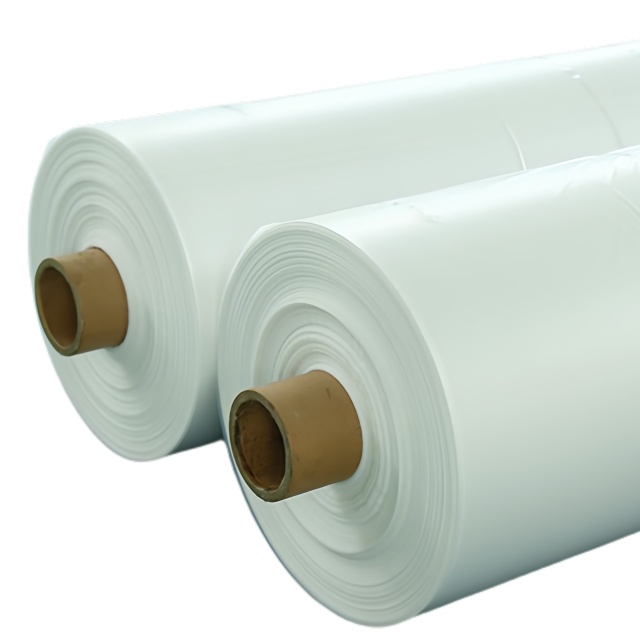
When evaluating stretch hood film, it’s essential to look beyond the initial price. The total cost of ownership includes various factors that can impact your bottom line over time. Understanding these elements can help you make an informed decision.
Total cost of ownership encompasses not only the purchase price of the film but also its performance and longevity. A higher-quality film may have a higher upfront cost but can lead to savings in other areas. For instance, films that are more durable tend to reduce the frequency of replacements and minimize waste.
Calculating the cost per wrapped pallet can provide valuable insights. This metric helps you understand how much you spend on film for each pallet you wrap. To do this, consider the following:
● Film Price: The cost of the film per roll.
● Film Length: How many pallets can be wrapped with one roll.
● Total Pallets Wrapped: Divide the film price by the number of pallets wrapped to get the cost per pallet.
Film Price ($) | Film Length (ft) | Pallets Wrapped | Cost per Pallet ($) |
100 | 1,500 | 150 | 0.67 |
120 | 1,000 | 100 | 1.20 |
Investing in high-quality stretch hood film can lead to significant long-term savings. Better films are less likely to tear or puncture, which means fewer damaged products. This not only saves money on product loss but also reduces labor costs associated with re-wrapping or replacing damaged items.
Good stretch hooding reduces damage by ensuring that loads remain stable during transport. When products arrive at their destination intact, you save on both replacement costs and customer dissatisfaction.
Choosing a reliable supplier is crucial for maintaining efficiency in your packaging line. The right supplier can provide not only quality materials but also the support needed for optimal performance.
A dependable supplier ensures consistent quality and timely delivery of stretch hood film. This reliability helps you avoid production delays and maintain a smooth workflow.
When selecting a supplier, look for specific quality assurance measures, such as:
● ISO Certifications: These certifications indicate that the supplier adheres to international quality standards.
● Testing Protocols: Suppliers should have rigorous testing processes to ensure film quality.
● Customer Reviews: Feedback from other customers can provide insights into the supplier's reliability and product performance.
Strong supplier support can significantly enhance your packaging line's efficiency. Suppliers who offer technical assistance, training, and prompt responses to inquiries can help resolve issues quickly, minimizing downtime.
Evaluation Criteria | Importance |
ISO Certifications | Ensures quality compliance |
Delivery Rates | Affects production schedules |
Customer Support | Impacts problem resolution speed |
When assessing potential suppliers, consider using a checklist to ensure they meet your requirements:
● Are they ISO certified?
● What are their delivery rates?
● Do they offer technical support?
● Can they provide samples for testing?
By carefully considering cost-effectiveness, supplier support, and quality assurance, you can make a well-informed decision when choosing stretch hood film for your packaging line. This approach not only enhances efficiency but also contributes to long-term savings.
Selecting the right stretch hood film is crucial for packaging efficiency. It impacts load stability, reduces damage, and saves costs. We encourage consulting suppliers and testing various options to find the best fit for your needs. The right film not only enhances product protection but also contributes to overall operational efficiency. At Wann Guan Plastics, our products offer unique advantages, ensuring quality and reliability for your packaging solutions.
A: Stretch hood film is a highly stretchable plastic material used to secure and protect palletized goods during transport.
A: Consider factors like load characteristics, application method, and environmental conditions when selecting stretch hood film.
A: It enhances load stability, reduces damage during transport, and saves costs by minimizing product loss.
A: Stretch hood film provides excellent protection against dust and moisture while ensuring products remain visible and intact.
A: Evaluating the total cost of ownership, including film performance and potential savings from reduced damage, is crucial for budgeting.
A: Choose a reliable supplier that offers quality assurance, technical support, and timely deliveries to enhance your packaging efficiency.


