
close
Choose Your Site
Global
Social Media


Ever wondered how beverages stay fresh and secure on store shelves? Beverage shrink film is the key. It tightly wraps containers, protecting and preserving products.
In this post, you’ll learn what beverage shrink film is and why it’s essential. We’ll explore its benefits and how it enhances packaging.
Table of Contents
Shrink film is a special plastic that tightens when heat is applied. When beverage containers get wrapped, the film looks loose at first. Then, it passes through a heat tunnel or heat gun. The heat causes the film to shrink evenly around the containers, forming a snug, protective layer. This tight fit keeps the package secure, preventing movement during transport or handling.
The shrinking happens because the film is stretched during manufacturing. Heat relaxes the stretched molecules, making the film contract back to its original size. This process is quick and can be precisely controlled to avoid damage to the product or labels.
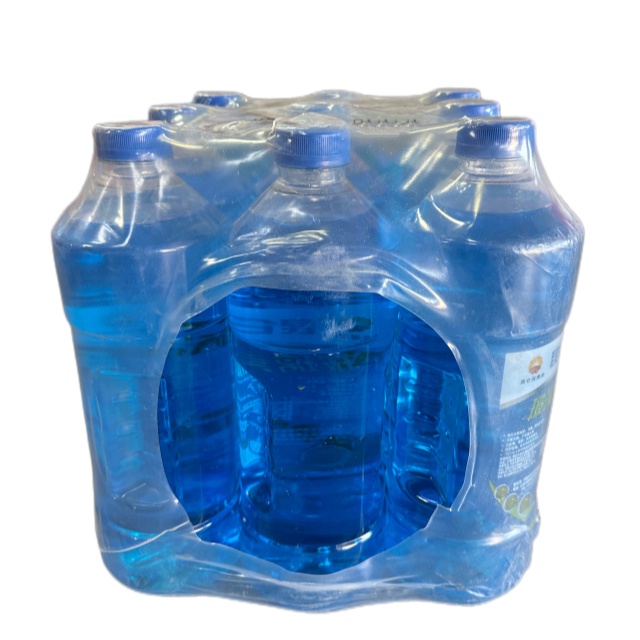
Several types of polymer films serve different needs in beverage packaging:
Polyethylene (PE): Most common type, flexible, and cost-effective. It offers good puncture resistance and is ideal for multi-packs and tamper-evident seals.
Polyvinyl Chloride (PVC): Offers excellent clarity and gloss, enhancing product visibility. However, it has lower shrink force compared to PE.
Polyolefin (POF): Combines clarity and strength, with better environmental profiles. It shrinks uniformly and resists tearing.
Polyester (PET): Used for high-end applications requiring superior strength and glossy finishes. It’s less common for shrink wrapping but valuable for premium branding.
Each film type varies in shrink temperature, clarity, strength, and environmental impact. Choosing the right polymer depends on the product’s protection needs, appearance goals, and sustainability targets.
The shrink-wrapping process involves several key steps:
Film Feeding: The shrink film is fed from a roll into the packaging machine.
Wrapping: Containers are grouped and wrapped in the film, either manually or automatically.
Sealing: A sealing bar cuts and seals the film edges, creating a closed package.
Heat Application: The wrapped package passes through a heat tunnel or heat chamber. Controlled heat causes the film to shrink tightly around the containers.
Cooling: After shrinking, the package cools quickly, setting the film in place.
This process produces a clean, tight package that protects the beverage, improves shelf appeal, and reduces tampering risk. The equipment settings, such as heat temperature and dwell time, must match the film type and product to ensure quality results.
Tip: Always match the heat tunnel temperature and speed settings to the specific shrink film type to avoid film damage or incomplete shrinking during packaging.
Beverage shrink film creates a tight, sealed barrier around containers, keeping out dirt, dust, and bacteria. This protection is vital for products stored long periods or handled multiple times during shipping and retail. The film prevents cross-contamination between packages, shields against airborne pollutants, and maintains package integrity even during rough handling. This all-around defense reduces product loss, returns, and safeguards the brand’s reputation for quality.
Certain beverages, like beer, wine, and fruit juices, suffer from UV light exposure that breaks down flavor compounds. Shrink films with UV-blocking additives filter harmful rays while keeping the package visible. This protection extends shelf life and preserves taste during display under bright retail lighting or outdoor conditions. Manufacturers can choose films with varying UV protection levels tailored to their product’s sensitivity and market environment.
Shrink films provide a 360-degree printable surface, turning packaging into a powerful marketing tool. Brands can add eye-catching graphics, product details, and promotional messaging directly onto the film. This full-wrap printing enhances shelf appeal, improves brand recognition, and allows for seasonal or limited-edition designs without changing the container. It offers flexibility for quick marketing updates and helps products stand out in crowded retail spaces.
Tip: Choose shrink films with UV protection and printing capabilities to enhance both product preservation and brand visibility on shelves.
Choosing shrink film starts by understanding your beverage containers. Bottles, cans, cartons, and multipacks all have unique shapes and sizes. Films must stretch and shrink evenly around these forms for a tight fit. For example, round bottles need films that shrink uniformly without wrinkles, while irregular shapes require more flexible films.
Consider container height and diameter. Taller bottles may need films with higher shrink capacity vertically. Larger diameters require wider film rolls to cover the product fully. Also, multi-pack configurations demand films that can wrap multiple units securely without tearing or gaps.
Knowing your container’s material—glass, plastic, or metal—also helps. Some films bond better to certain surfaces, improving seal strength and protection.
Film thickness, often called gauge, affects durability and protection. Thicker films offer better puncture resistance and tear strength. This is crucial for heavy or sharp-edged containers, such as glass bottles or metal cans, which can damage thinner films during handling.
However, thicker films cost more and may require higher heat for shrinking. Thinner films save cost and energy but risk tearing or inadequate protection. Balancing durability and cost is key.
Common gauges for beverage shrink films range from 40 to 100 microns. For lightweight water bottles, 40-50 microns may suffice. For premium spirits or multipacks, 70-100 microns provide added security.
Beverages like beer, wine, and juices can degrade when exposed to UV light. Shrink films with built-in UV blockers filter harmful rays, extending shelf life and preserving flavor.
Not all products need UV protection, so evaluate based on beverage sensitivity and retail environment. For example, outdoor or brightly lit stores increase UV exposure risks.
Films with UV additives maintain clarity and print quality while protecting contents. Selecting the right level of UV protection helps maintain product quality without sacrificing visual appeal.
Shrink film offers a 360-degree printable surface, ideal for branding. You can customize films with logos, product info, and promotional graphics. This enhances shelf impact and helps your product stand out.
Options include:
Full-color printing: Vibrant, high-resolution designs wrap the entire package.
Spot colors: Highlight logos or key messages.
Seasonal or limited editions: Easily change designs without altering containers.
Tamper-evident seals: Printed films can include security features to assure customers.
Customization also supports marketing campaigns, allowing quick updates and consistent brand messaging across product lines.
Tip: Match film thickness and UV protection levels to your beverage type and packaging environment to ensure optimal durability and product preservation.
Shrink film works great for carbonated drinks, bottled water, and juices. These beverages often come in bottles or cans that need secure packaging to avoid leaks or damage during shipping. Shrink film tightly bundles multi-packs, keeping containers stable and easy to handle. It also helps maintain carbonation by providing a sealed environment that reduces exposure to air.
For water bottles, shrink film adds tamper evidence and keeps labels clean. Juice bottles benefit from shrink film’s protective barrier against spills and contamination. The film’s flexibility allows it to wrap various bottle shapes and sizes, from slim water bottles to wider juice containers.
Premium spirits and craft beverages require packaging that reflects their high value. Shrink film offers a sleek, professional look while protecting delicate glass bottles. It can be customized with printed branding, logos, or limited-edition artwork to enhance shelf appeal.
Shrink film also acts as a tamper-evident seal, reassuring customers about product authenticity. Its clarity showcases the bottle design and label details without obstruction. For craft brewers and distillers, shrink film provides an affordable way to create premium packaging that stands out.
Shrink film excels at bundling multiple beverage units into one package. Manufacturers use it to create multi-packs of soda cans, water bottles, or juice cartons. This reduces handling time, improves shipping efficiency, and offers convenience for consumers.
Promotional packaging also benefits from shrink film’s versatility. Seasonal offers, variety packs, or limited-time promotions can use printed shrink film to highlight special deals or branding. The film’s full-wrap printing capability allows quick design changes without altering the product container.
Safety matters in beverage packaging. Shrink film provides a tamper-evident layer that reveals if a package has been opened or altered. This builds consumer trust and meets regulatory requirements.
Quality assurance improves because shrink film protects against contamination, dust, and moisture. It helps maintain package integrity during transport and storage. For sensitive beverages, this means the product reaches customers in perfect condition.
Tip: Use printed shrink film for multi-packs and premium beverages to combine product protection with effective branding and promotional messaging.
Shrink-wrap machines form the backbone of efficient beverage packaging. These machines automate the wrapping, sealing, and shrinking process, ensuring consistent, tight packaging around beverage containers. Key components include:
Film Dispensing System: Feeds shrink film from rolls smoothly into the machine.
Product Infeed Conveyor: Moves beverage containers into the wrapping area.
Sealing Bar: Cuts and seals the film edges to create a closed package.
Film Wrapping Mechanism: Wraps film around products, either by moving the product or the film.
Heat Tunnel or Heat Chamber: Applies controlled heat to shrink the film tightly around the package.
Discharge Conveyor: Carries finished packages away for further handling.
These components work together to maintain high throughput, reduce labor, and improve packaging quality.
Heat tunnels are critical for shrinking the film uniformly. They use controlled temperature and airflow to activate the film’s shrinking properties without damaging containers or labels. Features include:
Adjustable Temperature Controls: Match heat settings to film type and product sensitivity.
Airflow Management: Ensures even heat distribution, preventing wrinkles or uneven shrinking.
Variable Speed Conveyors: Control dwell time inside the tunnel for optimal shrinkage.
Proper heat tunnel settings prevent film damage, maintain package appearance, and ensure a secure fit. Some advanced tunnels use infrared or convection heat for energy efficiency and precise control.
Modern shrink-wrap machines include integrated control systems that coordinate all packaging steps. These systems:
Monitor film feed, sealing, and heat application in real time.
Adjust parameters automatically based on product size or film type.
Provide diagnostics and alerts to reduce downtime.
Support recipe management for quick changeovers between products.
These controls improve consistency, reduce waste, and enable operators to maintain high-speed production without sacrificing quality.
Automation transforms beverage packaging by increasing speed, accuracy, and reliability. Benefits include:
Higher Throughput: Machines can wrap hundreds of packages per minute, meeting tight production schedules.
Reduced Labor Costs: Automation lowers manual handling, minimizing errors and fatigue.
Consistent Quality: Automated sealing and shrinking produce uniform packages, improving shelf appeal.
Flexibility: Machines can handle different container sizes and shapes with minimal adjustments.
Data Tracking: Automated systems can log production metrics, aiding quality control and process optimization.
For large beverage producers, investing in automated shrink-wrap equipment means faster lines, less waste, and better end-product presentation.
Tip: Regularly calibrate heat tunnel temperature and speed settings to match film type and product dimensions, ensuring optimal shrink results and preventing package damage.
Stable pallet stacking is the foundation of successful shrink film packaging. If the pallet load isn’t even and secure, the shrink film can’t hold it tightly, leading to shifting or damage during transport. Start by using pallets in good condition—no broken boards or uneven surfaces. Stack beverage containers evenly, avoiding overhang or gaps. Follow consistent stacking patterns that distribute weight evenly and support the load’s shape. Automated palletizers and conveyor guides help keep layers aligned and centered. When the stack is stable, the shrink film can wrap tightly and maintain load integrity.
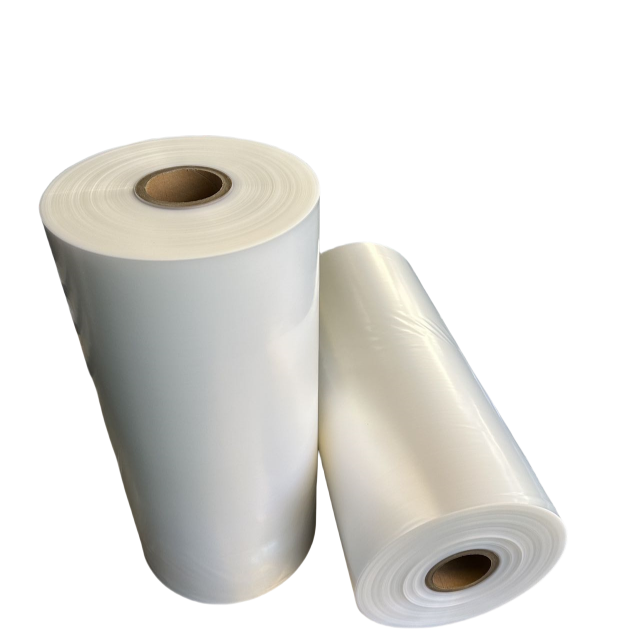
Shrink film settings must match the beverage load’s size, weight, and shape. Film tension, pre-stretch, and overlap affect how well the film holds the package. Too little tension lets the load shift; too much risks crushing bottles or deforming cartons. Adjust settings based on container type—glass bottles need gentler handling than plastic or cans. Consider film gauge: thicker films offer more strength but require higher heat and tension. Also, adjust the heat tunnel temperature and conveyor speed to ensure even shrinking without film damage. Testing and fine-tuning these settings for each product type keeps packaging consistent.
Well-maintained equipment ensures smooth, reliable shrink wrapping. Regularly inspect film dispensing systems, sealing bars, heat tunnels, and conveyors for wear or damage. Clean sensors and rollers to prevent jams or misfeeds. Check sealing bars for proper alignment and heat to avoid weak seals. Calibrate heat tunnel temperature controls and airflow systems to maintain uniform shrinking. Preventive maintenance reduces downtime and maintains package quality. Keep spare parts handy for quick repairs. A well-maintained line runs efficiently, producing tight, uniform shrink film packages that protect your beverages.
Operators are key to smooth packaging operations. Train them to spot common problems early, such as film wrinkles, incomplete seals, film breaks, or uneven shrinking. Teach how to adjust film tension, sealing temperature, and heat tunnel speed based on observed issues. Operators should also monitor pallet stacking for misalignment or instability before wrapping. Encourage reporting equipment irregularities like sensor faults or conveyor jams. Empowering operators with troubleshooting skills reduces waste, prevents damage, and keeps production on schedule. Regular refresher training ensures everyone stays sharp on best practices.
Tip: Standardize film tension, heat, and sealing settings for each beverage type and train operators to adjust them quickly to maintain consistent, damage-free packaging.
Beverage shrink film offers excellent protection, freshness preservation, and branding opportunities. It ensures tight packaging and tamper evidence for various beverage types. Future trends focus on sustainability and advanced customization in shrink film technology. Selecting the right film involves considering container shape, film thickness, and UV protection. Proper equipment use and operator training maximize efficiency and package quality. Wann Guan Plastics provides high-quality PE shrink films that deliver durability and clarity, helping brands protect and promote their beverages effectively.
A: Beverage shrink film is a plastic film that tightens when heat is applied, forming a secure, protective wrap around beverage containers to prevent movement and contamination.
A: Consider container type, size, film thickness, UV protection, and customization options to ensure durability, product preservation, and branding effectiveness.
A: It protects against contamination, maintains freshness, offers UV protection, and enhances branding with printable surfaces.
A: Costs vary by film type, thickness, and customization; PE films are cost-effective while premium films may be pricier.
A: Adjust heat tunnel temperature, film tension, and sealing settings; ensure proper equipment maintenance and operator training.


