
close
Choose Your Site
Global
Social Media


Is your packaging solution sustainable? Stretch Hood Film might be the answer. This innovative film offers unique benefits compared to traditional options like Stretch Film and Shrink Wrap.
In this article, we'll explore what Stretch Hood Film is and its role in sustainable packaging. You'll learn why eco-friendly solutions are crucial for businesses and consumers alike.
Stretch Hood Film is made from high-quality materials, primarily Linear Low-Density Polyethylene (LLDPE) and High-Density Polyethylene (HDPE). These materials are chosen for their excellent stretchability and durability, making them ideal for securing loads during transport.
Key Properties:
● Stretchability: This film can stretch significantly, allowing it to conform tightly to various shapes and sizes of products. This feature ensures a snug fit, which is critical for maintaining load stability.
● Durability: Stretch Hood Film is designed to withstand the rigors of transportation. Its robust structure protects products from external damage, ensuring they arrive in perfect condition.
● Puncture Resistance: Thanks to its tough composition, the film resists punctures and tears, providing an additional layer of protection against sharp edges or rough handling.
Property | Description |
Stretchability | High stretch capability for secure fitting |
Durability | Withstands harsh handling and transportation |
Puncture Resistance | Protects against sharp objects and rough surfaces |
The application of Stretch Hood Film involves a straightforward yet efficient process. It is typically used with specialized machines that inflate and stretch the film over the palletized goods. This method allows the film to conform seamlessly to the load's shape, creating a secure package.
Mechanism of Securing Loads: Once the film is stretched over the products, it adheres tightly without the need for heat. This cold application process not only saves energy but also eliminates the risks associated with heat shrink methods. The elastic nature of the film pulls the load together, enhancing stability during transport.
Advantages of Tubular Film Design: The tubular design of Stretch Hood Film offers several benefits:
● Complete Coverage: It wraps around all sides of the load, providing comprehensive protection from dust, moisture, and UV rays.
● Easy Application: The film can be applied quickly and efficiently, making it ideal for high-speed packaging lines.
● Reduced Waste: The design minimizes excess film usage, contributing to a more sustainable packaging solution.
In summary, Stretch Hood Film's unique composition and application process make it a powerful tool for ensuring product safety and sustainability in packaging. Its properties not only enhance load stability but also contribute to a greener approach in the packaging industry.
Stretch Hood Film stands out for its energy efficiency compared to traditional packaging methods. When we look at the energy consumed during production and application, Stretch Hood Film requires significantly less energy. This is largely due to its unique application process, which does not involve heat. Instead, it utilizes advanced technology that allows the film to stretch and secure loads efficiently.
Energy-Efficient Technology: The machines used for applying Stretch Hood Film are equipped with energy-efficient drivers and motors. These components comply with European energy standards, ensuring minimal energy consumption during operation. Additionally, during breaks in packaging, the system maintains low energy usage, further reducing costs.
One of the major environmental impacts of traditional packaging methods is CO2 emissions. These emissions are often the result of energy-intensive processes, such as those used in heat shrink packaging. In stark contrast, Stretch Hood Film significantly reduces CO2 emissions due to its cold application process.
Evidence of Reduced Emissions: Studies have shown that using Stretch Hood Film can lead to a marked decrease in carbon emissions. The elimination of gas consumption associated with shrink ovens not only lowers energy use but also cuts costs. This shift represents a critical step toward more sustainable packaging solutions.
Packaging Method | CO2 Emissions (per unit) | Energy Consumption (kWh) |
Traditional Shrink Wrap | High | High |
Stretch Hood Film | Low | Low |
Stretch Hood Film excels in minimizing material usage compared to other packaging systems. When we analyze the amount of film required, it becomes clear that Stretch Hood Film is more efficient.
Case Studies and Examples: For instance, when wrapping a standard Europallet, Stretch Hood Film requires only 457 grams of film. In contrast, an automatic wrapping machine may use around 810 grams when applying multiple layers of film. This demonstrates a significant reduction in material consumption, contributing to sustainability.
One of the key advantages of Stretch Hood Film is its ability to eliminate excess waste. Unlike traditional methods, which often leave behind surplus film, Stretch Hood Film is tailored to fit the load precisely. This ensures that there is minimal waste generated during the packaging process.
Comparison with Other Films: When we compare Stretch Hood Film to Shrink Wrap and Stretch Film, it's evident that the latter two often produce more waste. Not only does Stretch Hood Film minimize leftover materials, but it can also be removed cleanly without leaving residue behind, further enhancing its eco-friendliness.
Sustainability also hinges on the materials used in packaging. Stretch Hood Film is primarily made from recyclable materials, such as LLDPE and HDPE. This makes it a more environmentally friendly option compared to some other packaging films.
Biodegradable Options: There are also increasingly available biodegradable alternatives for Stretch Hood Film. Choosing these sustainable consumables is essential for businesses aiming to reduce their environmental footprint. By opting for recyclable and biodegradable materials, companies can contribute to a circular economy and promote responsible packaging practices.
In summary, the environmental benefits of Stretch Hood Film make it a compelling choice for businesses looking to adopt sustainable packaging solutions. Its energy efficiency, reduced emissions, minimized material usage, waste reduction, and recyclable materials play a vital role in moving toward a greener future.
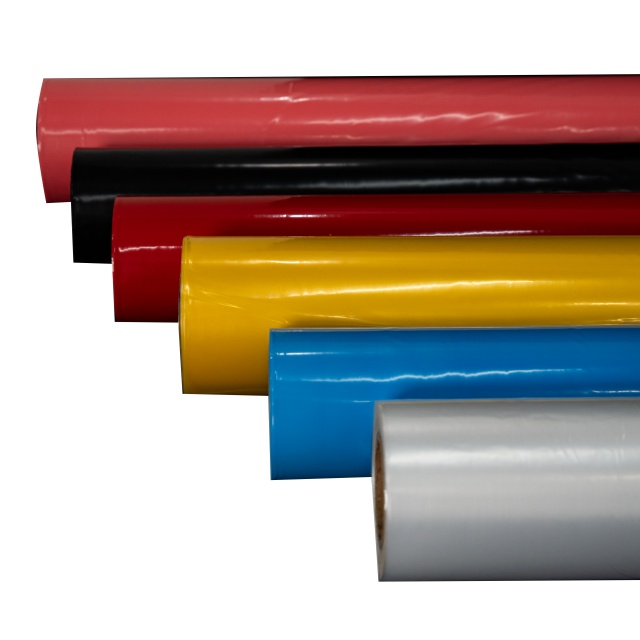
When evaluating Stretch Hood Film, cost efficiency stands out as a primary advantage. By analyzing the savings in materials and energy, businesses can see significant financial benefits. For instance, the film’s design allows for less material usage compared to traditional packaging methods. This not only lowers material costs but also reduces waste, leading to further savings.
Long-Term Financial Benefits: Investing in Stretch Hood Film can yield long-term financial rewards. Companies often experience lower operational costs due to reduced energy consumption and less frequent film replacements. Over time, these savings can add up, improving profit margins and allowing businesses to allocate funds to other critical areas.
Impact of Reduced Film Usage: The reduction in film usage directly affects overall packaging costs. By using Stretch Hood Film, businesses can save approximately 30% on film expenses compared to conventional methods. This is especially beneficial for companies that package large volumes of products, where even small savings per unit can lead to substantial annual savings.
Cost Factor | Traditional Packaging | Stretch Hood Film | Savings (%) |
Material Cost per Unit | $0.80 | $0.56 | 30% |
Energy Consumption (kWh) | 1.5 | 1.0 | 33% |
Waste Disposal Cost | $0.10 | $0.02 | 80% |
Using Stretch Hood Film can optimize logistics and reduce costs across the supply chain. Its efficient application process streamlines packaging operations, allowing for quicker turnaround times. This efficiency can enhance overall productivity, ensuring that products reach customers faster.
Real-World Examples: Many industries have reported significant cost savings after switching to Stretch Hood Film. For example, a major beverage distributor found that by adopting this film, they reduced their packaging costs by 25% while also speeding up their loading times. Another case involved a construction materials company, which saved thousands annually by minimizing film usage and waste.
Benefits of Lower Energy Consumption: The lower energy consumption associated with Stretch Hood Film not only cuts costs but also aligns with sustainability goals. By using less energy during packaging operations, companies can reduce their carbon footprint, which is increasingly important to consumers today. This dual benefit of cost savings and environmental responsibility makes Stretch Hood Film an attractive option for businesses looking to modernize their packaging solutions.
Incorporating Stretch Hood Film into packaging strategies can lead to significant economic advantages, making it a smart investment for companies aiming to enhance their bottom line while promoting sustainability.
Stretch Hood Film is widely used across various industries, showcasing its versatility and effectiveness.
Food and Beverage Industry:
In the food and beverage sector, the film provides essential protection against contamination and spoilage. It ensures that products remain fresh during transportation and storage. For example, many beverage companies utilize Stretch Hood Film to secure pallets of bottled drinks, preventing shifting during transit and maintaining product integrity.Construction and Industrial Goods:
The construction industry also benefits from Stretch Hood Film. It effectively wraps heavy materials like bricks, tiles, and machinery. This film protects against dust and moisture, ensuring that products arrive at job sites in excellent condition. Its strength and durability make it an ideal choice for securing bulky items.Consumer Goods and Retail:
In retail, Stretch Hood Film is used for packaging a variety of consumer goods, from electronics to household items. Its clear visibility allows customers to see the products while keeping them securely wrapped. This not only enhances the shopping experience but also minimizes the risk of damage during transport.
Industry | Application Example | Benefits |
Food and Beverage | Wrapping pallets of bottled drinks | Maintains freshness and prevents spillage |
Construction | Securing bricks and machinery | Protects against dust and moisture |
Consumer Goods | Packaging electronics and household items | Enhances visibility and minimizes damage |
One of the standout features of Stretch Hood Film is its adaptability to various product sizes and shapes. This flexibility allows it to accommodate a wide range of loads, making it a go-to solution for many businesses.
Benefits for Mixed Loads and Irregular Shapes:
Whether dealing with mixed loads or irregularly shaped products, Stretch Hood Film can conform to the load, providing a tight fit. This is particularly beneficial for companies that handle diverse product lines. The film's ability to stretch and mold itself around different shapes ensures stability and protection during transport.Examples of Successful Applications in Different Sectors:
For instance, in the automotive industry, Stretch Hood Film is used to wrap parts and components of varying sizes. This ensures that everything from small bolts to large panels is securely packaged. Similarly, in the furniture sector, it effectively secures items of different shapes, preventing damage while enhancing the aesthetic appeal of the packaging.In summary, the applications of Stretch Hood Film are vast and varied, demonstrating its effectiveness in protecting and securing products across multiple industries. Its versatility makes it an invaluable asset for businesses looking to optimize their packaging solutions.
The future of Stretch Hood Film is bright, particularly as innovations and trends in production emerge. Advanced technologies are being developed to enhance the properties of Stretch Hood Film, making it even more effective for sustainable packaging. For instance, manufacturers are exploring bio-based materials that can reduce reliance on fossil fuels. These innovations not only improve the environmental footprint but also increase the film's performance characteristics.
Trends in Sustainable Packaging Solutions:
As consumers become more environmentally conscious, the demand for sustainable packaging solutions continues to grow. This trend is prompting companies to seek out materials that are not only effective but also eco-friendly. Stretch Hood Film fits perfectly into this narrative, offering a solution that minimizes waste while providing robust protection for products.Potential for Advancements in Film Materials and Applications:
Future advancements may include the development of thinner films that maintain strength while using less material. Additionally, innovations in the recycling process for Stretch Hood Film could enhance its sustainability. Companies are beginning to experiment with incorporating recycled content into new film production, which would further reduce environmental impact.
Innovation Area | Description | Benefits |
Bio-based Materials | Use of renewable resources in film production | Reduces carbon footprint |
Thinner Films | Development of stronger, lighter films | Decreases material usage |
Recycling Enhancements | Improved processes for recycling used films | Increases circular economy |
Businesses play a crucial role in the future of Stretch Hood Film and its contribution to sustainability. By adopting this innovative packaging solution, companies can significantly reduce their environmental impact.
Importance of Corporate Social Responsibility:
Corporate social responsibility (CSR) is becoming increasingly important in today’s market. Companies that prioritize sustainable packaging choices demonstrate their commitment to environmental stewardship. By switching to Stretch Hood Film, businesses can showcase their dedication to sustainability and attract eco-conscious consumers.
Collaboration with Suppliers for Sustainable Practices:
Working closely with suppliers is essential for implementing sustainable practices. Companies can encourage their suppliers to adopt greener production methods, ensuring that the entire supply chain is aligned with sustainability goals. Collaborative efforts can lead to the development of new, eco-friendly materials and processes, further enhancing the benefits of Stretch Hood Film.In conclusion, the future of Stretch Hood Film in sustainable packaging looks promising. With ongoing innovations and a strong commitment from businesses to promote sustainability, this packaging solution is set to play a pivotal role in the shift toward more responsible packaging practices.
Stretch Hood Film offers significant environmental benefits. It reduces energy consumption and CO2 emissions while minimizing material usage and waste. The film's versatility makes it suitable for various industries, including food, construction, and retail. As businesses prioritize sustainability, Stretch Hood Film becomes an ideal choice for eco-friendly packaging.
Companies like Wann Guan Plastics provide high-quality Stretch Hood Film, enhancing product protection and reducing costs. Consider Stretch Hood Film for your packaging needs to embrace sustainability and improve efficiency. For more information, visit Wann Guan Plastics' website.
A: Stretch Hood Film is a flexible packaging material used to secure and protect products during transportation and storage.
A: Stretch Hood Film reduces material waste and energy consumption, making it a more sustainable packaging option compared to traditional methods.
A: Businesses should choose Stretch Hood Film for its cost efficiency, reduced environmental impact, and ability to securely wrap various product shapes.
A: Stretch Hood Film is widely used in the food and beverage, construction, and consumer goods industries for its protective qualities.
A: Compared to shrink wrap and traditional films, Stretch Hood Film uses less material and energy, offering better environmental benefits.


