
close
Choose Your Site
Global
Social Media


Ever wondered how fabric rolls stay clean and protected during shipping? Shrink film for fabric offers a simple, effective solution. It seals and safeguards textiles from dust, moisture, and damage.
In this post, you’ll learn what shrink film is, why it’s vital for textile packaging, and the key properties of PE shrink films.
Table of Contents
When it comes to packaging fabric rolls, polyethylene (PE) shrink films are the go-to choice due to their flexibility, durability, and cost-effectiveness. Among PE shrink films, two main types dominate the market: Low-Density Polyethylene (LDPE) and Linear Low-Density Polyethylene (LLDPE). Understanding their characteristics helps you select the best film for textile packaging needs.
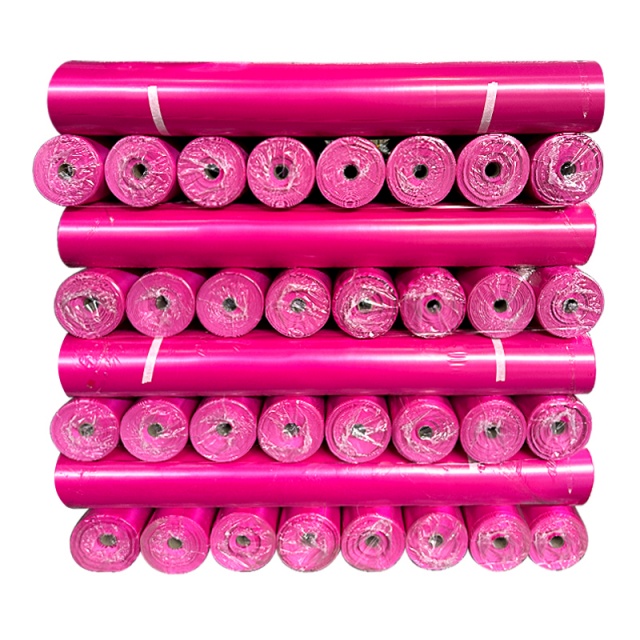
LDPE shrink film is known for its excellent clarity and flexibility. It provides good shrink force, which means it tightly conforms to fabric rolls during the shrinking process. This film type is highly resistant to punctures and tears, making it ideal for protecting delicate textiles during storage and transit.
LDPE films have a relatively low melting point, allowing them to shrink evenly without damaging the fabric underneath. Their smooth surface also enhances the visual appeal of wrapped fabric rolls, giving a clean, professional look. However, LDPE films tend to be thicker and less stretchable compared to LLDPE, which can affect cost and application speed.
LLDPE shrink film offers higher tensile strength and greater elasticity than LDPE. It stretches more before shrinking, which allows for thinner films to be used without compromising protection. This characteristic makes LLDPE a more economical option for large-scale fabric packaging operations.
Because LLDPE can conform better to irregular shapes, it is especially useful for tightly wound fabric rolls of varying diameters. It also provides excellent puncture resistance and clarity, though not quite as glossy as LDPE. LLDPE films tend to have a higher shrink ratio, meaning they can shrink more significantly, ensuring a snug fit around fabric rolls.
Feature | LDPE Shrink Film | LLDPE Shrink Film |
|---|---|---|
Clarity | High clarity, glossy finish | Good clarity, slightly matte |
Shrink Force | Moderate shrink force | Higher shrink force |
Elasticity | Less stretchable | More stretchable, flexible |
Thickness | Typically thicker | Can be thinner due to strength |
Puncture Resistance | Good | Excellent |
Cost | Generally higher | Usually more cost-effective |
Application | Suitable for delicate fabrics | Ideal for irregular shapes |
Choosing between LDPE and LLDPE depends on your specific fabric roll types, budget, and packaging requirements. LDPE is great for premium presentation and delicate textiles, while LLDPE excels in durability and cost-efficiency for high-volume packaging.
Tip: For fabric rolls with irregular shapes or large volume packaging, consider LLDPE shrink film for its superior flexibility and cost savings.
Using PE shrink film for fabric packaging offers several key advantages that make it a preferred choice in the textile industry. These benefits range from protection to efficiency and even marketing appeal.
Shrink film acts as a tight, protective barrier around fabric rolls. It seals out dust and dirt, which helps maintain fabric cleanliness during storage and transit. The film also provides a moisture barrier, reducing risks of mildew or water damage. This is especially important for textiles sensitive to humidity.
The film’s snug fit prevents fabric rolls from shifting or rubbing against each other, minimizing physical damage like tears or creases. This protection extends shelf life and preserves fabric quality, reducing waste and returns.
Shrink wrapping fabric rolls consolidates them into compact, stable units. This makes stacking easier and prevents rolls from unrolling or becoming misshapen during handling. The film’s strength allows fabric rolls to be bundled securely, improving load stability on pallets or in containers.
Shrink film also speeds up packaging and unpacking processes. It requires less labor than traditional wrapping methods like paper or cloth covers. Automated shrink wrapping systems further boost efficiency in large-scale operations, reducing costs and turnaround times.
Shrink film creates a clean, polished look for fabric rolls. Its clarity showcases fabric colors and textures, helping buyers inspect products without unwrapping. This transparency can boost customer confidence and satisfaction.
Additionally, shrink film provides a smooth surface ideal for printing logos, product information, or branding graphics. This turns packaging into a marketing tool that enhances brand recognition and communicates product quality.
Tip: Choose shrink film thickness and clarity based on your brand’s presentation needs and protection requirements to maximize both appearance and durability.
Selecting the right shrink film for fabric rolls is crucial for ensuring protection, cost efficiency, and presentation. Several factors come into play when making this decision, including film thickness, shrink ratio, and clarity. Additionally, choosing between custom and standard films and matching film size to fabric rolls affects packaging success.
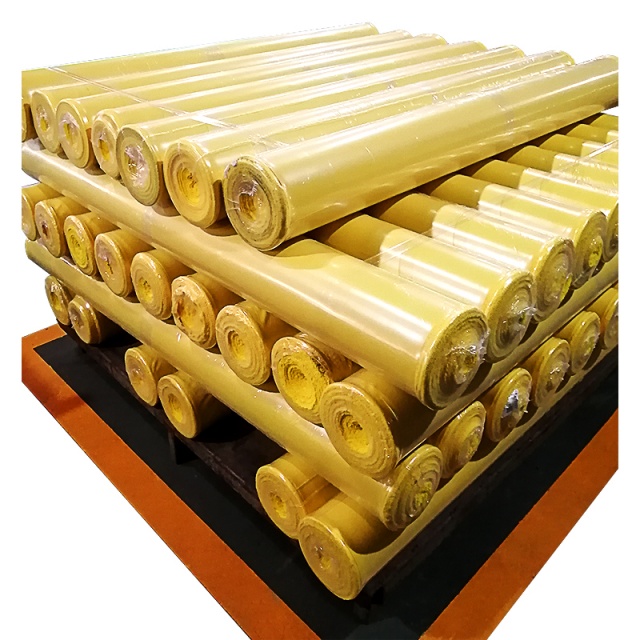
Thickness: Film thickness affects durability and protection. Thicker films resist punctures and tears better but cost more and may require more heat to shrink. Thinner films save money and shrink faster but might not protect as well during shipping. For delicate or heavy fabric rolls, thicker films around 60-100 microns are ideal. For lighter or less fragile textiles, 40-60 microns may suffice.
Shrink Ratio: This defines how much the film shrinks when heated. A higher shrink ratio means the film can tightly conform to irregular shapes. For fabric rolls, a shrink ratio between 2:1 and 3:1 is common. Higher ratios offer a snug fit but may increase heat requirements and risk of fabric damage if not applied carefully.
Clarity: Clear films show fabric color and texture, aiding inspection and enhancing presentation. High clarity films, often LDPE-based, are preferred for premium textiles. Slightly matte films, common in LLDPE, still offer good visibility but may reduce glare and fingerprints on packaging.
Standard Films: These come in preset sizes, thicknesses, and shrink ratios. They are cost-effective and readily available. Standard films suit most fabric roll packaging needs, especially when fabric sizes are uniform.
Custom Films: Custom shrink films can be tailored for unusual fabric roll sizes, specific branding requirements, or unique protection needs. Customization may include printed logos, special thicknesses, or enhanced barrier properties. While more expensive, custom films improve brand recognition and meet precise packaging challenges.
Fabric rolls vary in diameter, length, and tightness. Matching film dimensions to these sizes ensures efficient wrapping without excess waste or insufficient coverage.
Measure fabric roll diameter and length before selecting film width and length.
For large or irregular rolls, choose films with higher elasticity and shrink ratios like LLDPE.
For tightly wound, delicate rolls, LDPE films with moderate shrink force and high clarity work best.
Consider film perforations or microholes if fabric breathability is needed during storage.
Proper film sizing reduces material waste, lowers costs, and ensures secure wrapping that protects fabric integrity.
Tip: Measure fabric rolls accurately and balance film thickness and shrink ratio to protect textiles without overusing material or risking damage during shrink wrapping.
Shrink wrapping fabric rolls can be done manually or by automated machines. Manual wrapping involves placing the shrink film around the fabric roll by hand, then using a heat gun or shrink tunnel to shrink the film tightly. This method suits small-scale operations or irregular fabric sizes. It offers flexibility but requires skilled operators to avoid uneven shrinking or damage.
Automated shrink wrapping uses machines that wrap and shrink film around fabric rolls quickly and consistently. These systems are ideal for high-volume packaging, improving speed and uniformity. They reduce labor costs and minimize human error. However, automated equipment requires upfront investment and regular maintenance.
Choosing between manual and automated methods depends on production volume, budget, and fabric roll variety. Small businesses often start with manual wrapping and upgrade as demand grows.
Applying PE shrink film securely requires specific tools and equipment:
Heat Gun: A handheld device that emits hot air to shrink film manually. It allows precise control but needs operator skill to avoid overheating fabric.
Shrink Tunnel: A conveyor oven that heats fabric rolls wrapped in film uniformly. Common in automated lines, it ensures consistent shrinkage and high throughput.
Sealing Machine: Used to cut and seal shrink film edges before shrinking. It creates a tight enclosure around fabric rolls.
Shrink Wrapping Machine: Combines sealing and shrinking functions, automating the entire wrapping process.
Film Dispenser or Roll Holder: Holds shrink film rolls for easy unwinding during wrapping.
Safety Gear: Heat-resistant gloves and protective eyewear help protect operators from burns or injury.
Having the right equipment ensures efficient, safe, and high-quality shrink film application.
To achieve the best results when shrink wrapping fabric rolls, follow these tips:
Select Proper Film Size: Use film width and length that fully cover fabric rolls without excessive overlap or shortage.
Consistent Heat Application: Apply heat evenly around the fabric roll. Avoid overheating one area to prevent film melting or fabric damage.
Maintain Appropriate Temperature: Use heat settings recommended for the specific PE film type and thickness.
Control Shrink Speed: Shrink film gradually to avoid wrinkles, bubbles, or tears.
Secure Sealing: Ensure film edges are sealed tightly before shrinking to prevent loosening during handling.
Allow Cooling Time: Let wrapped fabric rolls cool down before stacking or shipping to set the film firmly.
Inspect Wrapped Rolls: Check for uniform shrinkage, tightness, and absence of damage or holes.
Following these practices improves packaging quality, protects fabric integrity, and enhances presentation.
Tip: When using heat guns manually, move the nozzle steadily around fabric rolls to ensure even shrinking and avoid localized overheating that can damage textiles or film.
Polyethylene (PE) shrink films, including LDPE and LLDPE types, are recyclable materials. They fall under the plastic recycling category #4, which means many recycling facilities accept them. However, recycling success depends on film cleanliness and sorting. Contaminants like dirt, adhesives, or mixed materials reduce recyclability. Textile packaging facilities should implement collection and cleaning systems for used shrink films to improve recycling rates. Recycled PE can be repurposed into products such as garbage bags, floor tiles, or new packaging films, supporting circular economy goals.
The packaging industry is advancing eco-friendly PE shrink films to reduce environmental impact. Some innovations include:
Bio-based PE films: Made partly from renewable resources like sugarcane, these films lower fossil fuel dependence while maintaining performance.
Lightweight films: Thinner films with enhanced strength reduce plastic use and waste without sacrificing protection.
Additives for biodegradability: Some films incorporate additives that promote faster breakdown under specific conditions, though full compostability remains limited.
Recycled content films: Using post-consumer recycled PE in film production cuts raw material needs and carbon footprint.
These innovations help textile packagers meet sustainability goals while retaining key shrink film benefits.
Shrink film can contribute to waste reduction in several ways:
Right-sizing film usage: Choosing correct thickness and dimensions minimizes excess plastic.
Reusable packaging systems: Some operations reuse shrink film rolls or use stretch films in combination to reduce single-use waste.
Efficient wrapping techniques: Proper training and equipment reduce film tears and rejects.
Encouraging film recycling: Setting up take-back programs or partnerships with recyclers closes the loop on used films.
By adopting these strategies, textile manufacturers and packagers lower environmental footprint and support sustainable supply chains.
Tip: Implement a film recycling program at your facility to boost sustainability and reduce plastic waste from fabric roll packaging.
Shrink film damage during application can cause packaging failures and expose fabric rolls to dirt or moisture. Common causes include overheating the film, uneven heat distribution, or using the wrong film type. Overheating melts the film, creating holes or weak spots. Uneven heat leads to wrinkles, bubbles, or incomplete shrinking, reducing protection.
To avoid damage, use proper heat settings tailored to the film thickness and type. Move heat sources steadily around fabric rolls to distribute heat evenly. For manual wrapping, train operators on shrink gun control. Automated systems should be calibrated regularly to maintain consistent temperature and timing. Selecting a film with suitable elasticity and shrink ratio also reduces stress during shrinking, lowering tear risks.
Heat applied during shrink wrapping may discolor or deform sensitive fabrics. High temperatures or prolonged exposure cause color fading, melting synthetic fibers, or fabric distortion. This risk is higher for delicate textiles like silk, lace, or printed fabrics.
To prevent damage, choose PE shrink films that shrink at lower temperatures, such as LDPE types. Use heat guns or tunnels with adjustable temperature controls and apply heat gradually. Avoid direct contact between the heat source and fabric by maintaining a safe distance. Testing a small fabric sample before full packaging helps verify compatibility. If heat sensitivity is severe, consider alternative packaging methods or protective inner liners.
Common wrapping problems include loose film, uneven shrinkage, film tearing, and trapped air bubbles. Loose film fails to secure fabric rolls, risking damage during transport. Uneven shrinkage creates wrinkles or gaps, reducing protection and aesthetics. Film tearing wastes material and causes repackaging delays. Air bubbles trapped under the film weaken the seal and spoil appearance.
To troubleshoot:
Ensure film size matches fabric roll dimensions properly.
Confirm sealing is tight before shrinking.
Apply heat evenly and avoid overheating.
Use films with adequate thickness and puncture resistance.
Inspect equipment regularly for malfunctions.
Train operators on best practices and common issues.
Addressing these factors improves wrapping quality and reduces material waste.
Tip: Conduct regular training and equipment checks to minimize shrink film damage and ensure consistent, high-quality fabric roll packaging.
Shrink films for textile packaging are evolving rapidly. Manufacturers develop high-performance films that offer greater strength, elasticity, and clarity. These new films provide superior puncture resistance, reducing damage risks during transport. Some incorporate multi-layer technology, combining barrier properties to protect fabric from moisture and UV exposure. Others improve shrink speed and uniformity, enabling faster packaging without sacrificing quality.
Another advancement is enhanced heat resistance. These films shrink effectively at lower temperatures, preventing heat damage to delicate fabrics. This feature suits sensitive textiles like silk or printed fabrics, expanding shrink film use across more fabric types.
Smart packaging is gaining traction in textile packaging. Shrink films now embed sensors or indicators that monitor temperature, humidity, or tampering. These features help ensure fabric rolls stay in optimal conditions during storage and shipping.
For example, temperature-sensitive inks on shrink film change color if exposed to excessive heat. RFID tags can be integrated under the film, allowing real-time tracking and inventory management. Such technologies improve supply chain transparency and reduce losses.
Some smart films also offer anti-counterfeiting measures, protecting brand integrity by verifying genuine products through unique codes or embedded markers.
The demand for PE shrink film in fabric roll packaging is expected to grow steadily. Increasing global textile production and rising e-commerce drive the need for secure, attractive packaging solutions. PE films remain favored due to cost-effectiveness and performance versatility.
Sustainability trends push manufacturers toward eco-friendly films, boosting demand for recycled-content and bio-based shrink films. Markets in Asia-Pacific and Europe show significant growth potential, driven by expanding textile industries and stricter environmental regulations.
Automation adoption in packaging lines also fuels demand for consistent, high-quality shrink films compatible with advanced machinery.
Tip: Stay updated on smart shrink film innovations to enhance packaging security and supply chain visibility in textile operations.
Shrink film offers excellent protection, efficiency, and presentation for fabric roll packaging. Choosing the right type, thickness, and shrink ratio ensures secure wrapping and cost savings. Proper application techniques prevent damage and maintain fabric quality. Shrink film plays a vital role in enhancing textile packaging sustainability and branding. www.wannguanplastics.com Wann Guan Plastics provides high-quality PE shrink films that deliver durability, clarity, and flexibility, helping businesses optimize their packaging solutions with reliable performance and eco-friendly options.
A: Shrink film for fabric is a polyethylene material that tightly wraps fabric rolls to protect them from dust, moisture, and damage during storage and transport.
A: Consider film thickness, shrink ratio, and clarity. LDPE offers high clarity for delicate fabrics, while LLDPE provides greater elasticity and cost-efficiency for irregular shapes.
A: It protects textiles, improves handling efficiency, and enhances presentation with clear, branded packaging.
A: Use proper heat settings, apply heat evenly, and select suitable film types to prevent melting or fabric discoloration.
A: Yes, PE shrink films are recyclable if clean and sorted properly, supporting sustainable textile packaging.


