
close
Choose Your Site
Global
Social Media


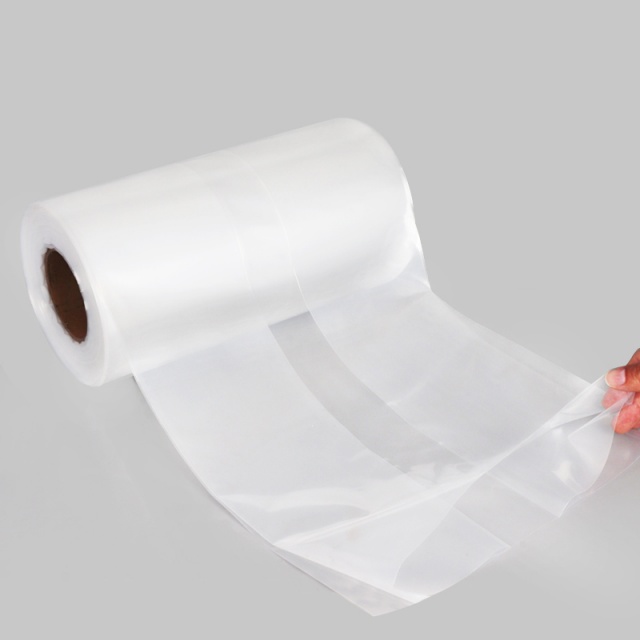
Did you know packaging affects rice quality and shelf life? Shrink film for rice bags offers a strong, clear protective wrap. It keeps rice fresh, clean, and safe during transport. In this post, you’ll learn what shrink film is, why it’s ideal for rice bags, and its key benefits.
Table of Contents
Shrink film comes in several materials, each offering unique properties suited for rice bag packaging. The most common types include Polyolefin, PVC (Polyvinyl Chloride), and Polyethylene. Understanding their differences helps select the best option for your needs.
Polyolefin (POF) is popular due to its clarity, strength, and flexibility. It shrinks uniformly, providing a tight, protective wrap around rice bags. This film resists punctures and tears well, making it ideal for heavy or irregularly shaped bags. It also offers good resistance against moisture and chemicals, preserving rice quality during storage and transport.
PVC shrink film is known for its excellent clarity and gloss, enhancing product appearance. It shrinks quickly at lower temperatures, which can speed up packaging lines. However, PVC is less flexible and more brittle than Polyolefin, increasing risk of cracking on rough handling. It also has environmental concerns due to chlorine content, so usage is declining.
Polyethylene (PE) shrink film is cost-effective and provides good moisture barrier properties. It is tougher but less clear than POF or PVC, which might affect product visibility. PE works well for larger rice bags or bulk packaging where strength matters more than aesthetics. It also shrinks at higher temperatures, requiring careful heat control during application.
Eco-friendly and biodegradable shrink films are gaining traction in the rice packaging industry. These films, often made from plant-based materials or enhanced with additives, break down faster in the environment. They offer a sustainable alternative without compromising protection. However, they may cost more and require specific storage conditions to maintain performance.
Selecting the right shrink film depends on rice bag size, weight, and packaging goals. For small to medium bags needing clear, attractive packaging, Polyolefin is often best. For heavy bulk bags, Polyethylene provides durability. If sustainability is a priority, biodegradable films offer a green solution. Always consider the film’s shrink temperature, puncture resistance, and clarity to match your product’s needs.
Material | Clarity | Strength | Shrink Temp | Environmental Impact | Best Use Case |
|---|---|---|---|---|---|
Polyolefin | High | High | Medium | Moderate (recyclable) | Small to medium rice bags |
PVC | Very High | Medium | Low | Poor (contains chlorine) | Premium packaging, aesthetics |
Polyethylene | Medium | Very High | High | Moderate (recyclable) | Large, heavy rice bags |
Biodegradable | Varies | Medium | Varies | Good (compostable options) | Sustainable packaging |
Choosing the right film improves protection, appearance, and sustainability for rice bags.
Tip: Always test shrink films on your specific rice bag sizes and weights to ensure optimal fit and performance before full-scale packaging.
Shrink film offers many benefits that make it an excellent choice for packaging rice bags. Here’s a detailed look at the key advantages:
Rice must stay dry and clean to maintain quality. Shrink film forms a tight, sealed barrier around the rice bags, preventing moisture from seeping in. This barrier also keeps dust and dirt out, which is crucial during storage and transport. Additionally, the film helps block insects and pests, reducing contamination risks.

Rice bags often face rough handling during shipping. Shrink film adds an extra layer of strength, holding bags tightly together and reducing movement. This prevents tears, punctures, or bag ruptures. The film’s resilience helps protect rice bags from damage caused by bumps or drops, ensuring safe delivery.
By sealing rice bags tightly, shrink film limits exposure to air and humidity. This slows down spoilage and keeps rice fresh longer. The film also helps preserve aroma and flavor by minimizing oxidation. For consumers, this means better quality rice that lasts longer on shelves.
Shrink film is a budget-friendly packaging solution. It requires less material than rigid boxes or cartons and reduces the need for additional protective packaging. Its lightweight nature cuts down shipping costs. Plus, faster application speeds on packaging lines save time and labor expenses.
Shrink film offers a smooth, glossy finish that enhances product appearance. It can be printed with vibrant colors, logos, and product info, boosting brand visibility. Clear films showcase the rice bags inside, attracting customers. This combination of protection and marketing makes shrink film a smart choice for rice producers.
Tip: Test shrink film options on your rice bags to find the best balance of protection, cost, and visual appeal before full-scale use.
Applying shrink film to rice bags involves several precise steps. Proper technique ensures tight wrapping, protection, and a polished look. Here’s a detailed guide on the process:
Prepare the Rice Bags
Arrange rice bags neatly on a pallet or conveyor. Make sure bags are clean and dry to avoid trapping moisture under the film.
Cut the Shrink Film
Measure and cut the shrink film to fit around the rice bags. Leave enough excess to cover the entire package and allow for sealing.
Wrap the Film Around Rice Bags
Wrap the film tightly around the bags. Overlap edges to create a secure seal. For manual wrapping, hold the film taut to avoid wrinkles.
Seal the Film Edges
Use a heat sealer or adhesive tape to close the film edges. This step prevents the film from loosening during shrinking.
Apply Heat to Shrink the Film
Use a heat gun, tunnel, or shrink wrap machine to evenly apply heat. The film shrinks tightly, conforming to the rice bags’ shape.
Cool and Inspect
Let the wrapped package cool to set the film. Inspect for holes, loose spots, or uneven shrinkage. Reheat or reseal as needed.
Manual Heat Guns
Ideal for small batches or manual wrapping. Operators direct hot air to shrink film evenly.
Shrink Tunnels
Conveyor systems where wrapped bags pass through heated chambers. Perfect for medium to large volumes.
Automatic Shrink Wrapping Machines
Combine wrapping, sealing, and shrinking in one process. Suitable for high-speed packaging lines.
Use consistent, moderate heat to avoid film melting or burning.
Adjust temperature based on film type: Polyolefin shrinks best around 120-160°C (248-320°F), Polyethylene requires higher heat.
Keep heat source moving to prevent overheating one spot.
Monitor ambient conditions as humidity and airflow affect shrinking quality.
Check for uniform shrinkage and tight seals around all rice bags.
Inspect for punctures, wrinkles, or film tears.
Test package stability by gently shaking to ensure film holds bags firmly.
Verify temperature settings regularly on machines to maintain consistent results.
Train operators on handling and safety protocols to minimize errors.
Tip: Regularly calibrate shrink wrapping machines and monitor heat levels to maintain consistent film shrinkage and avoid damage to rice bags.
Using shrink film for rice bags offers excellent chances to customize packaging and boost brand visibility. Packaging does more than protect—it tells your brand story and attracts buyers.
Shrink films can be printed with vibrant colors, logos, product details, and regulatory info. Popular methods include:
Flexographic printing: High-speed, cost-effective, ideal for simple designs and large runs.
Rotogravure printing: Offers high-quality, detailed images with rich colors.
Digital printing: Best for short runs or personalized packaging, allowing quick design changes.
Printing directly on shrink film means your brand stays visible even after wrapping. Clear films can have printed sleeves or labels underneath for added branding layers.
Good design balances aesthetics and function. Consider:
Color schemes that match your brand identity and stand out on shelves.
Readable fonts and clear product info for easy customer understanding.
Transparent sections to showcase rice quality inside.
Consistent branding across all packaging sizes for recognition.
Regulatory compliance by including nutritional facts, barcodes, and certifications.
Design should also consider the shrink film’s shrinking effect. Graphics may distort slightly, so test prints help ensure logos and text remain clear after shrinking.
Shrink film helps your rice bags stand out in a crowded market by:
Offering custom shapes and sizes through tailored film cuts.
Using special finishes like matte, gloss, or textured surfaces.
Incorporating security seals or tamper-evident features for consumer trust.
Adding QR codes or smart labels to connect customers with recipes, sourcing info, or promotions.
These features help create a unique brand experience and build customer loyalty.
Several rice brands successfully use shrink film to boost their image:
A premium brand uses clear polyolefin film with gold foil printing to convey luxury and quality.
An organic rice producer employs biodegradable shrink film printed with earthy tones and eco-icons, emphasizing sustainability.
A bulk rice supplier wraps large bags in polyethylene film printed with bold, simple logos for easy identification in warehouses.
These examples show how combining the right film type with thoughtful design enhances brand appeal and product value.
Tip: Always run sample shrink film prints and test shrinkage effects before full production to ensure your branding stays sharp and attractive after wrapping.
Plastic shrink films, commonly used for rice bag packaging, pose environmental challenges. Most traditional films are made from petroleum-based polymers like Polyolefin, PVC, and Polyethylene. These materials do not biodegrade easily, leading to long-term pollution in landfills and oceans. Improper disposal results in microplastic contamination harmful to wildlife and ecosystems. Additionally, PVC releases toxic chemicals during production and incineration, raising health and environmental risks. The growing use of plastic shrink films contributes to global plastic waste, urging rice producers to consider sustainable alternatives.
Recent innovations address these concerns by developing recyclable and biodegradable shrink films. Polyolefin and Polyethylene films are increasingly designed to be recyclable through established waste management systems. Some manufacturers add markers or use mono-material films to simplify recycling processes. Biodegradable shrink films, often made from plant-based polymers like PLA (Polylactic Acid) or PBAT (Polybutylene Adipate Terephthalate), break down faster under composting conditions. These films reduce landfill burden and carbon footprint. However, they require proper disposal environments to degrade efficiently and may have different mechanical properties needing adjustment in packaging lines.
Rice producers can adopt several practices to enhance sustainability:
Choose recyclable or biodegradable shrink films to minimize environmental impact.
Optimize film thickness to use the least material without compromising protection.
Implement film recovery programs at packaging and distribution centers.
Train staff on proper film handling to reduce waste during application.
Partner with suppliers offering eco-friendly packaging solutions.
Design packaging for easy separation of shrink film from other materials.
Promote consumer awareness about recycling or disposal of shrink film.
These steps help reduce plastic waste, lower carbon emissions, and improve brand reputation as environmentally responsible.
Proper disposal of shrink film is crucial to sustainability efforts. Here are practical guidelines:
Recycle through designated plastic film collection points, often found at grocery stores or recycling centers.
Avoid contaminating film with food residue or adhesives to ensure recyclability.
Separate shrink film from other waste streams like cardboard or metal.
Compost biodegradable films only in industrial composting facilities, not home composts.
Do not burn shrink film, as it releases harmful toxins.
Encourage end-users and distributors to follow local recycling rules.
By following these measures, rice producers and consumers help close the loop on shrink film lifecycle, supporting circular economy goals.
Tip: Partner with local recycling programs to establish a reliable collection and processing system for used shrink films, boosting your rice packaging sustainability.
Using shrink film for rice bags brings many benefits, but some challenges can arise during application and handling. Recognizing these issues early and implementing solutions helps maintain packaging quality and efficiency.
Film Wrinkling or Uneven Shrinkage: Wrinkles reduce package appeal and may weaken protection.
Film Tearing or Punctures: Thin or low-quality films can tear, exposing rice bags.
Inconsistent Sealing: Poor seals cause film loosening or gaps, risking contamination.
Temperature Sensitivity: Incorrect heat settings can melt or under-shrink film.
Machine Malfunctions: Equipment failures slow production or cause defective wraps.
These problems often stem from improper handling, unsuitable film choice, or lack of operator training.
Shrink films require precise heat control. Too much heat causes film melting or holes; too little results in loose wrapping. Different materials have specific shrink temperatures:
Polyolefin: 120-160°C (248-320°F)
Polyethylene: Higher temps needed
PVC: Lower temps but brittle
Rapid temperature changes can stress films, leading to cracks or tears. Also, sharp edges on rice bags increase puncture risk during wrapping.
Choose Suitable Film: Match film type and thickness to bag size, weight, and handling conditions.
Calibrate Heat Settings: Regularly adjust machines for correct temperature and airflow.
Use Protective Inserts: Place corner guards or padding on bags to prevent punctures.
Train Operators: Teach proper wrapping techniques and equipment use.
Inspect Films Before Use: Check for defects or damage in film rolls.
Implement Quality Checks: Monitor wrapped packages for uniform shrinkage and seal integrity.
Applying these solutions reduces waste, improves appearance, and protects rice bags better.
Regular Cleaning: Remove dust, debris, and film residue from sealing bars and heat elements.
Check Sealing Components: Inspect and replace worn blades, belts, and seals.
Monitor Temperature Controls: Verify sensors and thermostats function accurately.
Lubricate Moving Parts: Prevent mechanical wear and ensure smooth operation.
Schedule Preventive Maintenance: Follow manufacturer guidelines to avoid unexpected breakdowns.
Train Staff: Ensure operators understand machine maintenance basics and report issues promptly.
Well-maintained equipment delivers consistent packaging quality and reduces downtime.
Tip: Establish a routine inspection and maintenance schedule for shrink wrapping machines to prevent common application issues and extend equipment lifespan.
Shrink film technology keeps evolving to meet packaging demands. New films offer better clarity, strength, and shrink properties. Advances include multi-layer films combining durability and barrier protection. Nanotechnology enhances film resistance to moisture and oxygen, preserving rice freshness longer. Some films now include anti-fog or anti-static features, improving handling and appearance. Manufacturers also develop films that shrink at lower temperatures, saving energy and reducing heat damage to rice bags.
Smart packaging is becoming a game-changer in rice bag shrink film. Embedded sensors can monitor temperature, humidity, or freshness during transport and storage. QR codes printed on shrink film link consumers to product info, recipes, or origin stories. Some films incorporate tamper-evident seals or time-temperature indicators, boosting safety and trust. These features help producers track product quality and engage customers more effectively.
Sustainability drives market trends for shrink film in rice packaging. Buyers prefer eco-friendly materials, pushing producers to adopt recyclable or biodegradable films. Governments and retailers increasingly require sustainable packaging to reduce plastic waste. The rice industry responds by investing in green shrink films and optimizing packaging design to minimize material use. Digital printing on shrink films also grows, enabling smaller runs and reducing waste from overproduction.
The rice packaging industry will likely see wider adoption of advanced shrink films combining protection, branding, and sustainability. Smart packaging will become standard, improving supply chain transparency and customer engagement. Biodegradable films will gain market share as costs drop and performance improves. Automation in shrink wrapping will rise, increasing efficiency and consistency. Overall, shrink film will remain a top choice for rice packaging due to its versatility and evolving innovations.
Tip: Stay updated on emerging shrink film technologies and smart packaging options to keep your rice packaging competitive and sustainable.
Shrink film offers excellent protection, durability, and branding for rice bags. It keeps rice fresh by blocking moisture, dust, and pests. The film’s clarity and strength enhance product appeal and transport safety. Sustainable options support environmental goals while maintaining quality. Shrink film plays a vital role in modern rice packaging by combining functionality with marketing. Rice producers should consider adopting these solutions for better packaging performance and customer satisfaction. Wann Guan Plastics provides high-quality shrink film products tailored to meet these needs effectively.
A: Shrink film for rice bags is a plastic wrap that tightly seals rice bags, protecting them from moisture, dust, and pests while enhancing durability during transport.
A: To apply shrink film for rice bags, wrap the film around the bags, seal the edges, then apply heat to shrink the film tightly around the package.
A: Shrink film for rice bags offers superior protection, cost-effectiveness, and branding opportunities compared to rigid packaging methods.
A: Polyolefin is ideal for small to medium rice bags, Polyethylene suits large heavy bags, and biodegradable films offer sustainable options.
A: Costs vary by material and quality; biodegradable films tend to be pricier than standard Polyolefin or Polyethylene films.
A: Wrinkling, tearing, and inconsistent sealing can occur, often due to incorrect heat settings or unsuitable film choice.
A: Recycle shrink film through designated plastic film collection points and avoid contamination to ensure proper processing.


